
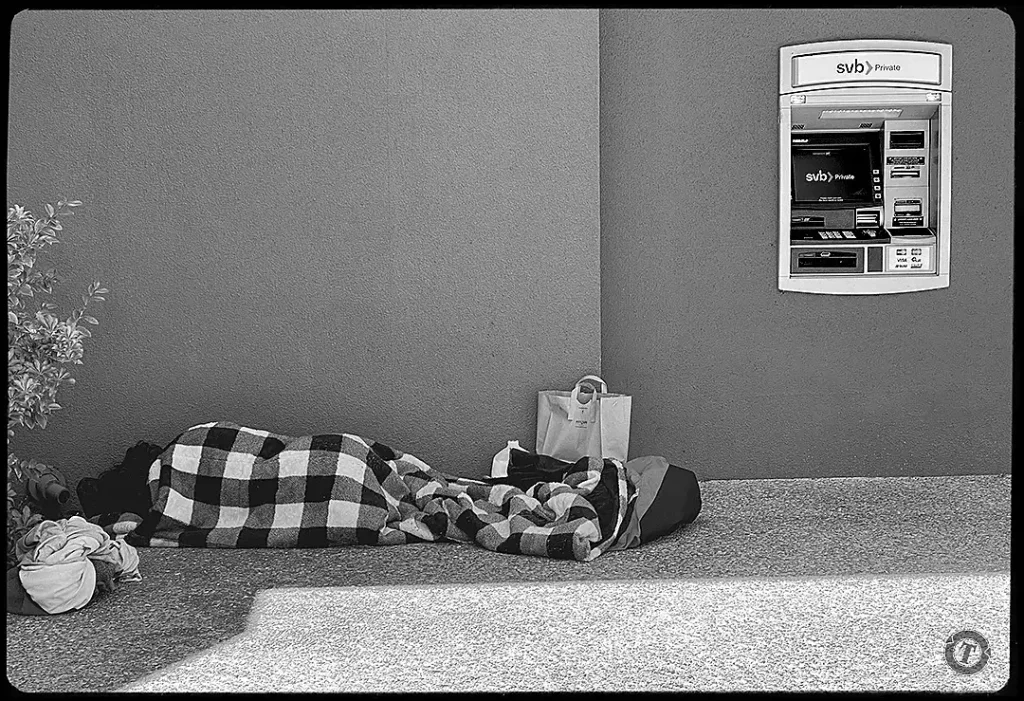
On August 2, 2021, at the end of her New York Times Sway interview with Ken Burns, Kara Swisher asked him:
Kara Swisher: Is there one thing that you’re excited about, a new technology? Is it V.R.?
Ken Burns: I’m still thrilled about photography. Since 1839, it’s been really great. I highly recommend it. And it hasn’t exhausted its potentialities.
Kara Swisher: So Ken Burns is sticking with photography….
Interesting, indeed. So photography IS important.
Of course I would say that. I’m biased. I’m a commercial photographer and photography teacher. I’ve spent decades watching people learn to use digital cameras, and I’ve learned a thing or two myself along the way.
More than ever, photography is important because it shapes how we see, understand, experience, and communicate with the world. Yet we largely take it for granted.
Photography is far-reaching, and its influence can be overwhelming if we pay attention. Most of us don’t.
Because photographs are everywhere, we accept their presence as a given and move on. We allow images to hack our subconscious, persistently vying for our attention among the many things we look at every day.
Photographs are right up there among our top four daily preoccupations. Top three if you don’t have a two-year-old. Furthermore, photography is a massively popular pastime. Like food, sex, and sleep, we all do it!
How many photographs do you think you see in a day? One often repeated estimate suggests somewhere between 3,000 and 10,000, with only 50 to 150 actually registering in our conscious attention.*
And what do photographs do? Capturing a moment in space and time, they share an experience. Grab you. Entice you. Make you hungry, angry, sad, happy. Make you buy something. Make you post a comment. And, frequently, arouse you deliberately.
Not a bad day’s work for a little rectangular box. Upon considering the reality of the camera as an instrument, its utility speaks volumes. It deserves a closer look.
Photography has invaded our language. Camera metaphors, in particular, have been appropriated by writers, philosophers, scientists, politicians (spit here), lawyers, professors, and even literary giants. They’ll ask you to “zoom in” on a problem, look at an issue through a “different lens,” or consider the “big picture” while exposing an idea or premise to the light of day. Perhaps photography has become such a familiar part of our lives that its language has become part of our thinking. We don’t have to understand a camera to understand what it means to zoom in, change our perspective, or see the big picture. Apparently, we’ve run short of metaphors. Fortunately, we have cameras.
We’ve been looking at photographs all our lives, and images have been part of human experience for much longer. Photography is embedded in our lives as deeply as our daily passage between light and darkness, waking and sleeping. During REM sleep, we even watch movies in the form of dreams. Our daily and nightly relationship with images and light is woven into our psyche.
Ponder that one awhile!
So if photography is this important to our lives, why do we treat making photographs as though it’s simply a matter of pressing a button? Good photography is NOT the numbers game the influencer kindergarteners promote: “Take a hunnerd pitchers, man… ya get one good one!”
I suggest that the deliberate use of this divine little tool can reconnect you with your creative self and make you more conscious, observant, and alive. The camera is an instrument, and like any instrument, it requires practice. A regular shoot-and-review cycle is part of the process. Just like any worthwhile endeavor. Prepare and perform. How many times have you made scrambled eggs and not eaten them?
So, yeah baby! Photography IS important. It’s easier than learning the guitar, less expensive than owning a boat, and WAY more fun. Cameras and the Art however, are involved. I’ve watched people arrive at my classes convinced their cameras don’t like them. As they learn the parts and become comfortable communicating with the interface, something changes. They stop arguing with the camera and begin developing a relationship with it. A little like couples counselling, with less resistance.
They’ve bought $1,500 or $2,000 cameras and haven’t yet learned it’s anatomy. They never took the time… and are aghast it needs more than one button pushed. Nevertheless, chances are good you already have a great camera in your pocket. You’re probably a better photographer than you think.
If you’d like to get better at learning the instrument and improving your photography, first and foremost follow your interests and curiosities. From there here are a few suggestions:
~ Make patient, methodical visits to YouTube. With caution, Collect useful videos in Watch Later folders. I know you won’t finish them all. Watch a little, then go shoot for a while. NO binging or Doom-Scrolling.
WARNING: I’ve watched an awful lot of these videos, and I suggest keeping your BS filter switched on. There are plenty of influencer kindergarteners out there who know just enough to sound convincing, and whose primary expertise seems to be accumulating followers and monetizing their opinions. They are not necessarily teaching photography, but performing it for the algorithm.
~ Shoot with friends.
~ Explore the classic genres. Street photography, Portrait photography, Still Life, Documentary photography, Figure Photography, Kids and Sports, Animals, Abstract photography, and wet-process film photograph is alive and well and holds the history of the craft. The beat goes on…
~ Discover photographers, both well-known and less familiar. Look for their monographs (large books of images) at your local library. There’s a world of inspiration between those covers.
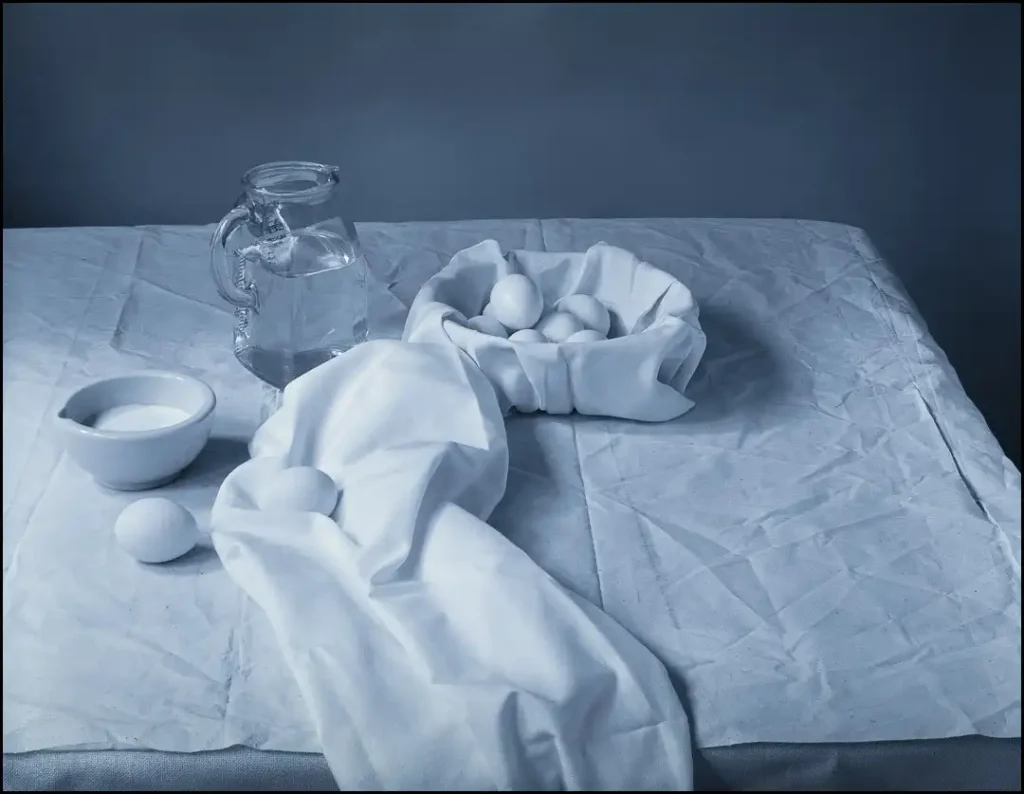
~ Copy a Photograph/Photographer that you like. Calling it a ‘study’ removes guilt, self loathing and helps you learn. I did this with the Monet you see here.
~ Take a class. (you saw this coming right?) Find a teacher you like, someone whose approach resonates with you, and commit to in-person learning for a period of time, with a goal in mind. It’s one of the most effective ways to learn, and it’s as valuable as ever.
The camera is waiting. The light is doing its dancing like that crazy guy at Shoreline and Montecito. And somewhere on YouTube, a Pho-Bro with 2,000 views is explaining exposure compensation incorrectly, demanding you join his coaching group for $85 a month, while providing NO link to his actual work. You are better than that.
Take some time to trust the instrument. Follow your light.
References
Ken Burns interview: The New York Times, Sway with Kara Swisher, August 2, 2021.
Photograph exposure estimates: Adrenaline – The 5,000 Images Myth. Estimates vary, and the exact number is difficult to quantify.